

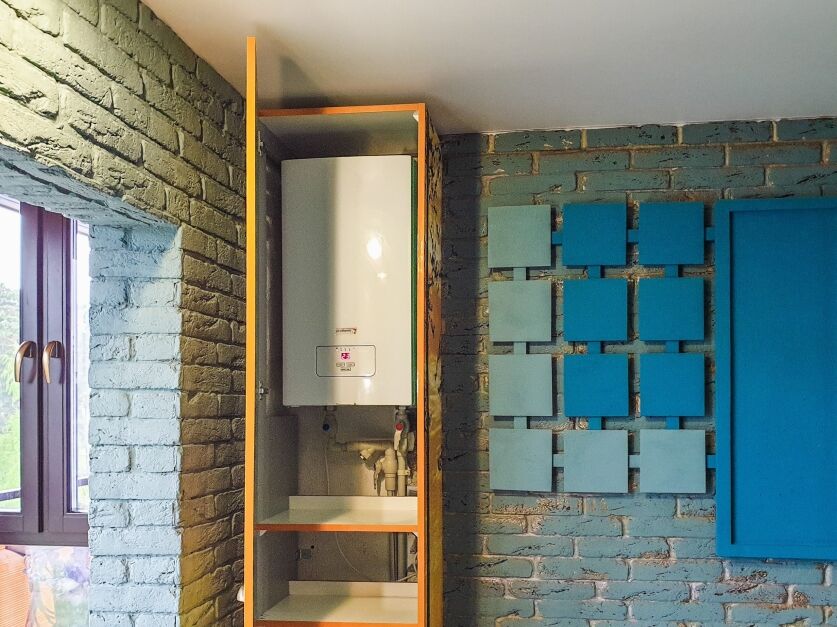
Water Heater in Title 24: What You Need to Know?:
Title 24 is a set of Building energy efficiency standards for buildings in California. It covers various aspects of building design and construction, such as insulation, lighting, windows, and water heating.
One of the major components of Title 24 report is the water heating system, which typically provides hot water for uses such as bathing, cleaning, cooking, and space heating.
Depending on the type and size of the building, different water heating systems may be required or recommended by Title 24 Energy Calculations and may requires a HERS Testing. In this article, we will focus on the water heating standards for residential buildings, which include single-family homes, multifamily buildings, and accessory dwelling units (ADUs).
Types of Water Heating Systems
1. Storage Water Heaters
Storage water heaters are the most common type. They feature a tank that heats and stores water for use on demand. These systems can run on gas, electricity, or oil and are sized according to tank capacity.
Gas models use a small flame and control system.
Electric models use resistance heating but are not allowed under Title 24’s prescriptive method—only under the performance method.
Efficiency depends on tank size and insulation.
2. Tankless Water Heaters (On-Demand)
Tankless water heaters heat water instantly as it flows through the unit—no storage tank needed.
Popular in ADUs across California due to space savings.
Provide unlimited hot water with no standby losses.
Come in gas and electric models, though electric units may require more electrical capacity.
May have higher installation costs and limited flow if multiple fixtures run at once.
3. Heat Pump Water Heaters (HPWH)
HPWHs are highly efficient electric water heaters that use heat from the air to warm water.
Work best in warmer climates or ventilated areas.
Include fans, tanks, controls, and backup electric elements.
May need ducting if installed in small closets to avoid overcooling.
Title 24 encourages their use in performance-based compliance due to their energy efficiency.
4. Indirect Water Heaters
These systems use a home’s boiler or furnace to heat water in a storage tank.
No dedicated burner or element—relies on existing heating systems.
Energy-efficient if used with high-efficiency boilers.
Typically used in homes with radiant floor heating.
5. Integrated Water and Space Heaters
Integrated systems combine water heating and space heating in a single unit.
Technologies include condensing gas boilers, heat pumps, and solar thermal systems.
Save space and reduce energy waste by sharing equipment.
Require correct sizing and may have higher upfront costs.
6. Solar Water Heaters
Solar water heaters use solar collectors to heat water using the sun.
Environmentally friendly and reduce utility bills.
May need a backup system for cloudy days or high usage.
Higher initial investment, but long-term savings and incentives may apply.
Contact Title 24 Calcs to obtain a Title 24 Certification cost and discuss your project.
